
"Sidamo G2"
500 article(s) found

The grade flavor of Ethiopian coffee
Essel coffee is processed by two processing methods: sun and water washing. The flavor of coffee processed by different processing methods is very different. Generally speaking, the alcohol thickness and soil taste of washed Sidamo, Yirgacheffe and Limmu coffee are slightly lower, and the taste of sun-processed coffee is more wild. But Ethiopian coffee may taste different from batch to batch, which requires more cup tests before it can be found.

A brief introduction to the unique Market Price of Fine Coffee Bean varieties in Ethiopian Coffee Manor
Grade of Ethiopian coffee: Ethiopian washed coffee Yega Chuefei G1 G2 Sidamo (Yirgacheffe, Sidamo) has the highest grades 2 and 3 (G2, G3), while sun-processed coffee in eastern Ethiopia is mostly grade 4 or 5 (G4, G5). In many cases, level 4 coffee is marked as level 5 in order to reduce taxes. At present, the classification is not uniform and there are

Ethiopian coffee plantation with unique quality and moderate pH
Harar Coffee is produced in the eastern highlands of Ethiopia. It is medium bean-shaped and large

Ethiopian Coffee Flavor Description Grind Characteristics Variety Producing Area Taste Boutique Coffee Introduction
Ethiopian coffee grade: Ethiopian washed coffee Yirgacheffe G1 G2 Sidamo (Yirgacheffe, Sidamo) the highest grade is second and third grade (G2, G3), the eastern part of Ethiopia sun processing coffee is mostly fourth or fifth grade (G4, G5). In many cases, fourth-grade coffee is labeled as five-grade in order to reduce taxes. The current classification is not very uniform, there are

A brief introduction to the Origin and Development of Fine Coffee beans in the unique Ethiopian Coffee Manor
Grade of Ethiopian coffee: Ethiopian washed coffee Yega Chuefei G1 G2 Sidamo (Yirgacheffe, Sidamo) has the highest grades 2 and 3 (G2, G3), while sun-processed coffee in eastern Ethiopia is mostly grade 4 or 5 (G4, G5). In many cases, level 4 coffee is marked as level 5 in order to reduce taxes. At present, the classification is not uniform and there are

A brief introduction to the description of the flavor and aroma characteristics of coffee beans with wild taste.
The highest grades of Sidamo (Yirgacheffe, Sidamo) are Grade 2 and Grade 3 (G2 and G3), and most of the sun-processed coffees in eastern Ethiopia are Grade 4 or Grade 5 (G4 and G5). In many cases, level 4 coffee is marked as level 5 in order to reduce taxes. At present, the grading is not uniform and messy, because there are primary and secondary sun processing (Grand G).
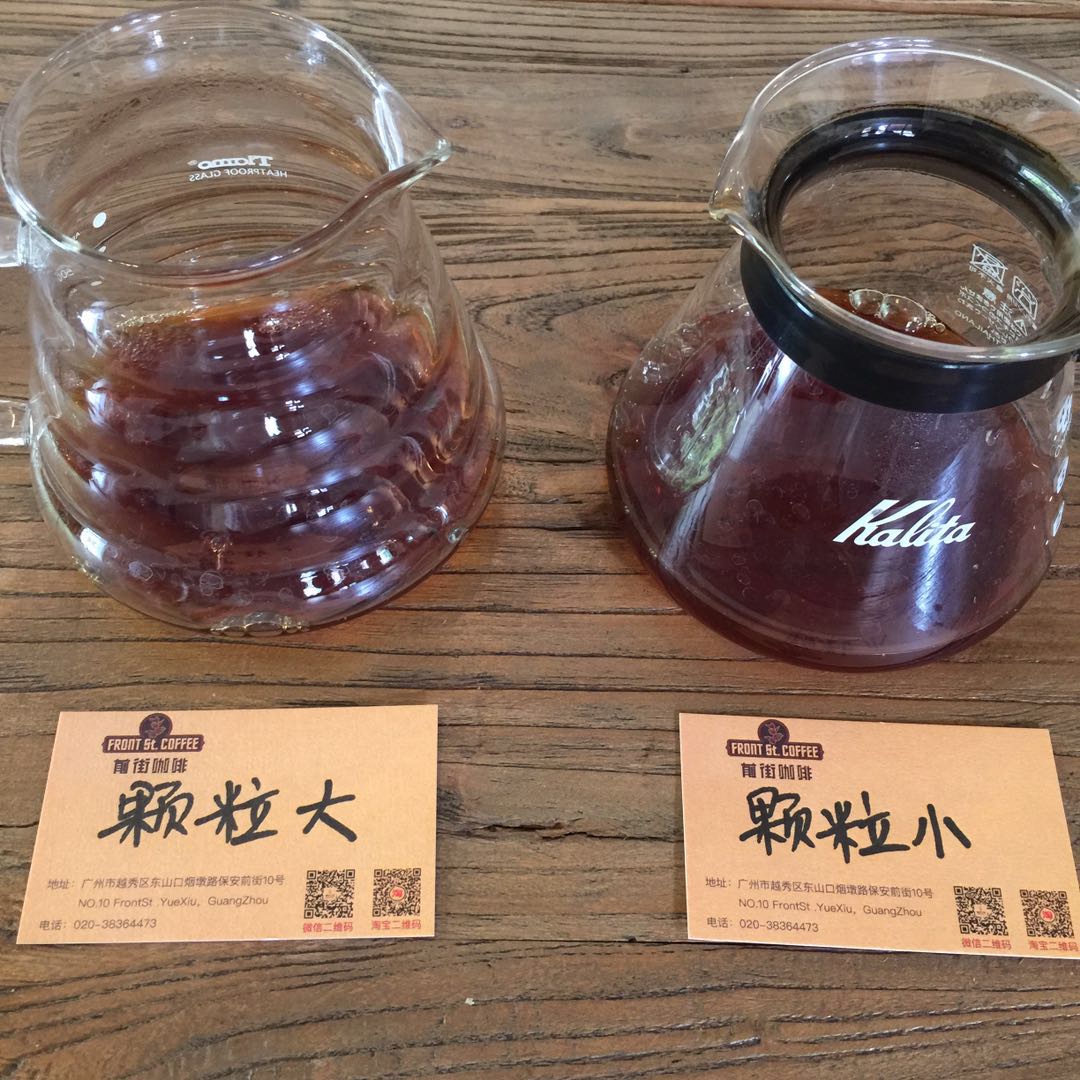
Why are Ethiopian coffee beans always big and small? Is there any difference in flavor?
For professional baristas, please follow question 1 of the coffee workshop (official Wechat account cafe_style): why are Ethiopian coffee beans always big and small? If you are very fond of African beans, it should be easy to find that Ethiopian beans are generally of different sizes and have significantly lower evenness than those in Kenya. Whether it's Yega Sheffield or Sidamo,

A Brief Introduction to the Processing Method of Grinding Degree and Roasting Degree of Washed Sidamo G 2 Fine Coffee Beans in Ethiopia
Name: Coffee workshop address: Guangzhou City Yuexiu District Baoanqian Street No. 10 Factory Contact: 020-38364473 Shelf life: 90 Net content: 227g Packing: Bulk coffee beans Ripe degree: Coffee ripe beans sugar: sugar-free Origin: Ethiopia Roasting degree: Light roasting Sidamo G2 WashedCountry: Ethiopia Grade: G2 Origin: Sidamo Roasting
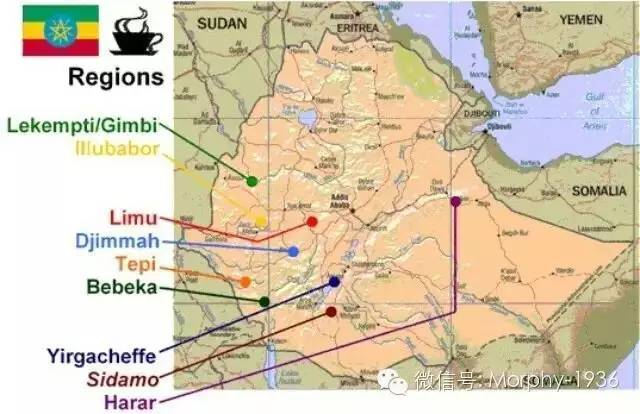
Introduction of boutique coffee beans Ethiopian coffee
Ethiopia is the hometown of Arabica coffee, and it is in the forests of Kaffa that you can see wild Arabica coffee. In Ethiopian, coffee is called Bun or Buna, and coffee beans (coffeebean) may be translated from Kaffa Bun. Arabica coffee was discovered early in the Harald area, probably from Kafa.

Introduction to the producing area of Ethiopian Sidamo Coffee Bean G3 Flavor description treatment
Sidamo Coffee Bean is a small coffee cooperative in a small town in Dala, Sidamo Province. each small coffee farmer here has an average planting area of about 0.6 hectares and is composed of hundreds of coffee farmers. it is planted at an altitude of nearly 2000 meters above sea level. the climate temperature difference is large, and the soil is fertile, providing an excellent growing environment, and the raw bean itself exudes rich raisins and fermentation.

Flavor characteristics of Ethiopian Fine Coffee Ethiopian Coffee
Ethiopia is the hometown of Arabica coffee, and it is in the forests of Kaffa that you can see wild Arabica coffee. In Ethiopian, coffee is called Bun or Buna, and coffee beans (coffeebean) may be translated from Kaffa Bun. Arabica coffee was discovered early in the Harald area, probably from Kafa.

Introduction to the producing area of Coffee Flavor description Grinding scale in Yega Ficher Manor, Ethiopia
Ethiopian coffee flavor description grinding scale varieties introduce the grades of Ethiopian coffee: Ethiopian washed coffee Yega Sheffield G1 G2 Sidamo (Yirgacheffe, Sidamo) the highest grades are Grade 2 and 3 (G2, G3), while sun-processed coffee in eastern Ethiopia is mostly Grade 4 or Grade 5 (G4, G5). In many affections

A brief introduction to the Market Price of Ethiopian Fine Sidamo Coffee varieties
The highest grades of Ethiopian washed coffee Yega Chuefei G1 G2 Sidamo (Yirgacheffe, Sidamo) are Grade 2 and Grade 3 (G2, G3), while most of the sun-processed coffee in eastern Ethiopia are Grade 4 or Grade 5 (G4, G5). In many cases, level 4 coffee is marked as level 5 in order to reduce taxes. At present, the grading is not uniform and messy, because there is also sun processing.

Country: water washing treatment variety Heirloom in G2 Sidamo, Ethiopia
Today, there are still a large number of wild Arabica coffee trees growing in many parts of Ethiopia, averaging between 4200 and 6800 feet above sea level. Now there is a trend of small cultivation, generally planting banana trees for shade at the same time, but due to lack of agricultural technology, herbicides and pesticides are less used. Coffee is Ethiopia's main economic crop and the largest in the country.
Introduction to Ethiopian Coffee, the hometown of Arabica Coffee
Ethiopia is the hometown of Arabica coffee, and it is in the forests of Kaffa that you can see wild Arabica coffee. In Ethiopian, coffee is called Bun or Buna, and coffee beans (coffeebean) may be translated from Kaffa Bun. Arabica coffee was discovered early in the Harald area, probably from Kafa.

How did Sidamo Honey Coffee come from? how to divide the grades of Sidamo coffee beans?
Professional barista communication please follow coffee workshop (Wechat official account cafe_style) washing: Grade-1;Grade-2 (G1G2) sun: Grade-1 and Grade-3Grade-5 (G1G3G4G5) production area: Ethiopia Oromia species: Ethiopia native species Haiba: 2000 treatment: washing factory name: coffee workshop site: Guangzhou Yuexiu Museum District Security

Ethiopian coffee introduction Ethiopian coffee beans exquisite coffee beans and introduction
Ethiopia is the hometown of Arabica coffee, and it is in the forests of Kaffa that you can see wild Arabica coffee. In Ethiopian, coffee is called Bun or Buna, and coffee beans (coffee bean) may be translated from Kaffa Bun. Arabica coffee was discovered early in the Harald area.

What are the G1 and G2 of Yejia Coffee? Introduction to high-quality washed Yega Chuefei coffee
Professional coffee knowledge exchange more coffee bean information please follow the coffee workshop (Wechat official account cafe_style) Ethiopia is the first country to discover coffee and belongs to the most important producing country in terms of coffee quality and output, with an annual output of about 350000 tons. Ethiopia is famous all over the world for its mocha beans from Hara, including Yirgache.

Coffee Flavor description of Ethiopian Coffee Manor Coffee Flavor description of roasting degree Price planting Environment
Ethiopian coffee beans grow in close to the natural environment, after years of planting under the same growth conditions, Ethiopian coffee beans have gradually adapted to the environment here. More than 60% of coffee beans are grown in forests or semi-forests. Large-scale coffee-growing villages account for about 35% of the country's total coffee production. Many of these are used.

African Coffee Green Beans Learn about coffee plantations that produce green beans
Ethiopia Yegashefi G2| Ethiopia Yirgachaffe Grade2 Ethiopia Sidama G2| Ethiopia Sidamo Grade2 Ethiopia Harar G4| Ethiopia Harrar Grade4 Kenya Kenya AA| Kenya AA Tanzania AA| Tanzania AA Rwanda AA| Rwanda AA Ugan